
Entrance Flow and Tenant Zoning Review for a Financial Business District
Case Details
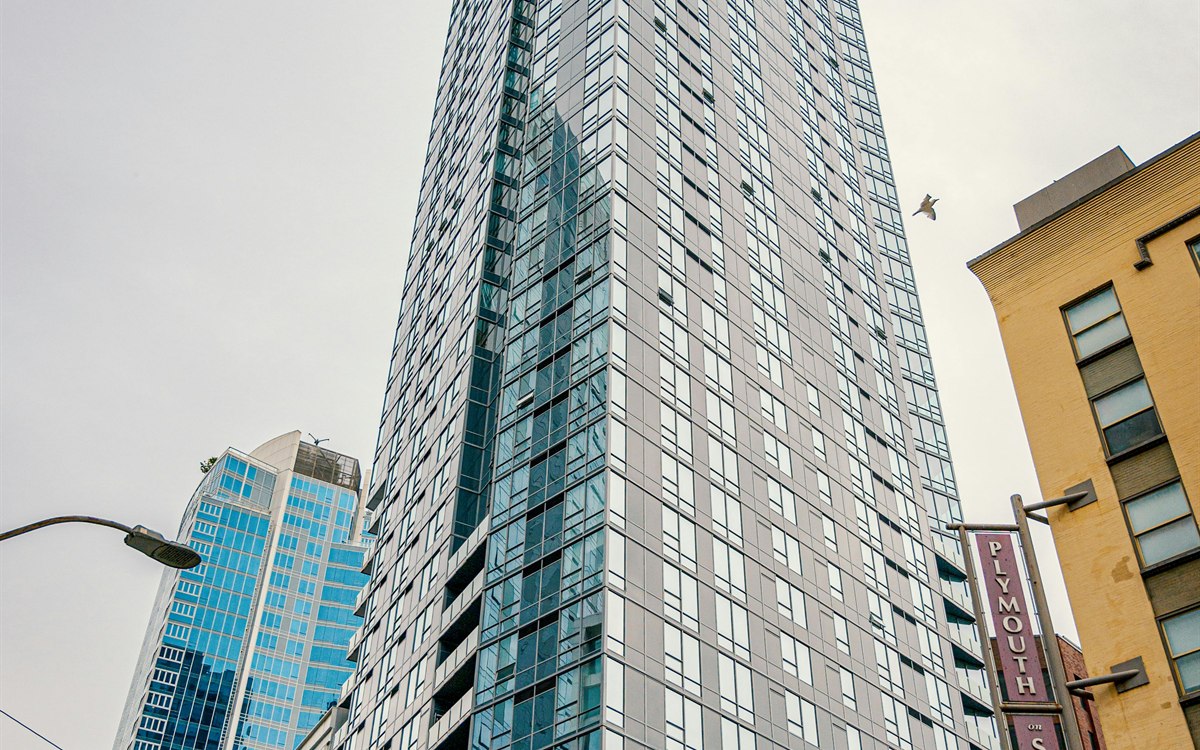
This project supported leasing and operational planning for a newly built financial business district. The client was not asking for desk-level placement, but for a district-level review of entrance identity, pedestrian and vehicle flow, anchor tenant positioning, public activity nodes, and supporting commercial services.
1. Background
The district had strong hardware, but the arrival sequence was not intuitive. Visitors were easily split between the vehicle entrance and secondary entrances. Some high-value tenants lacked visible frontage, while the public rest areas were spacious but did not give people a clear reason to stay.
2. Method and Judgment
- Review flow from external roads, main entrance, elevator halls, corridors, and the central atrium.
- Separate anchor financial tenants, service retail, coffee meeting areas, shared conference rooms, and display functions into appropriate energy layers.
- Evaluate how wind, water, light, and facade boundaries shape the memory and readability of the site.
3. Recommendations
The advisory team recommended strengthening the main entrance identity and reducing the visual weight of secondary entries. Display-oriented tenants were placed along the first arrival sightline, while financial office tenants requiring stability were positioned in quieter zones. The atrium was redesigned as a place for staying, meeting, and hosting small launch activities rather than as passive decoration.
4. Operational Value
The value of this review was to translate Feng Shui judgment into leasing and operational language. Whether the entrance is clear, whether visitors choose to stay, and whether tenants are properly positioned will ultimately affect project image, space productivity, and operational order.