
Heritage Residence Renovation and Family Living Flow Review
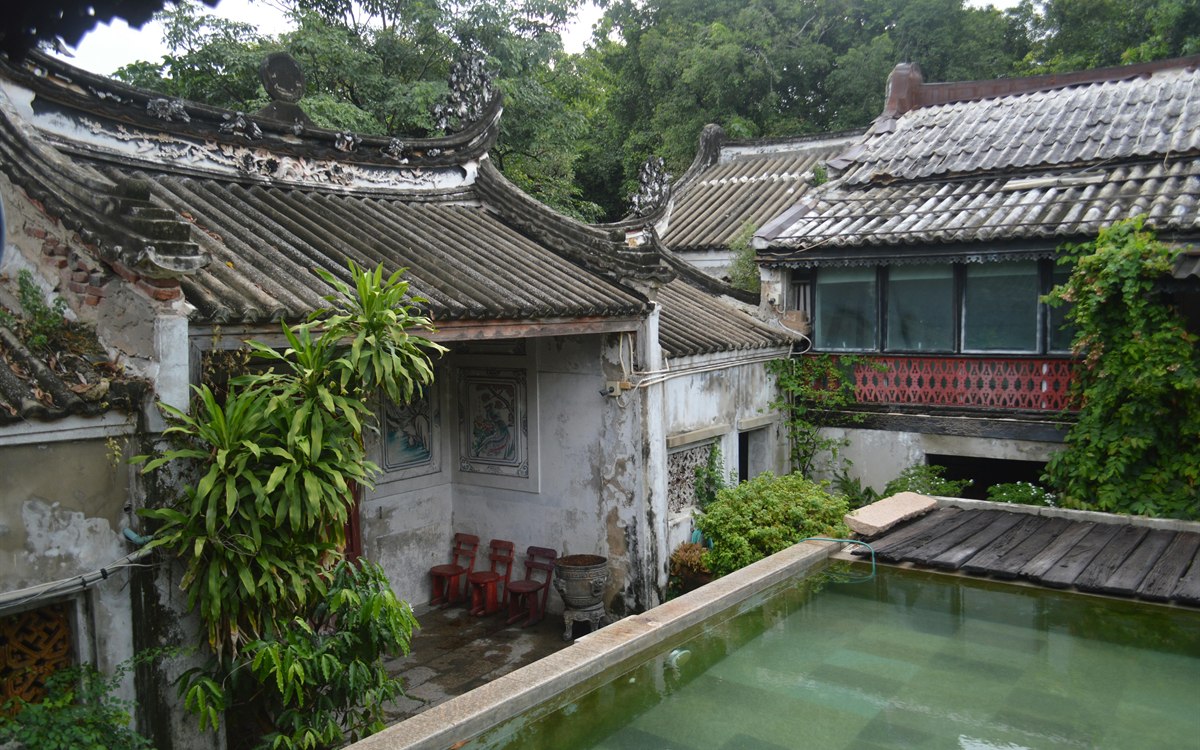
Case Details
This project focused on the renovation of a family residence with more than one hundred years of history. The owners wanted to address leakage, lighting, ventilation, and daily-use issues while preserving the memory and structure of the ancestral home. GFSA's review combined traditional Feng Shui reasoning with building conservation, safety, and modern living needs.
1. Site Observation
The central axis of the residence remained clear, but several side rooms had been unused for years. Dampness, stored objects, and an unmanaged rear water feature created physical and visual stagnation. A purely luxurious renovation would damage the spirit of the original residence, while superficial repairs would not support the next generation's use.
2. Key Review Points
- Preserve the main hall, courtyard, and memorial area as the spiritual center of the family home.
- Treat damp zones, kitchen areas, and elderly family activity areas separately, solving safety and health issues before aesthetics.
- Re-plan public gathering spaces and private rest areas according to family age structure, frequency of use, and seasonal return patterns.
3. Practical Plan
The renovation sequence followed three steps: clear, repair, and position. First, blocked circulation and damp corners were cleared. Second, roofing, drainage, ventilation, and lighting were repaired. Only then were furniture, memorial placement, study areas, and reception zones adjusted. This kept Feng Shui work from being reduced to decorative placement.
4. Transferable Lesson
For heritage residences, the first question should not be where to place an object for luck. The effective sequence is to let the building breathe, make the home practical for elders, make younger members willing to stay, and then rebuild ritual meaning. The goal is not to turn an old residence into a display room, but to reconnect the family with the space.