
Lobby Energy and Guest Journey Review for an Urban Boutique Hotel
Case Details
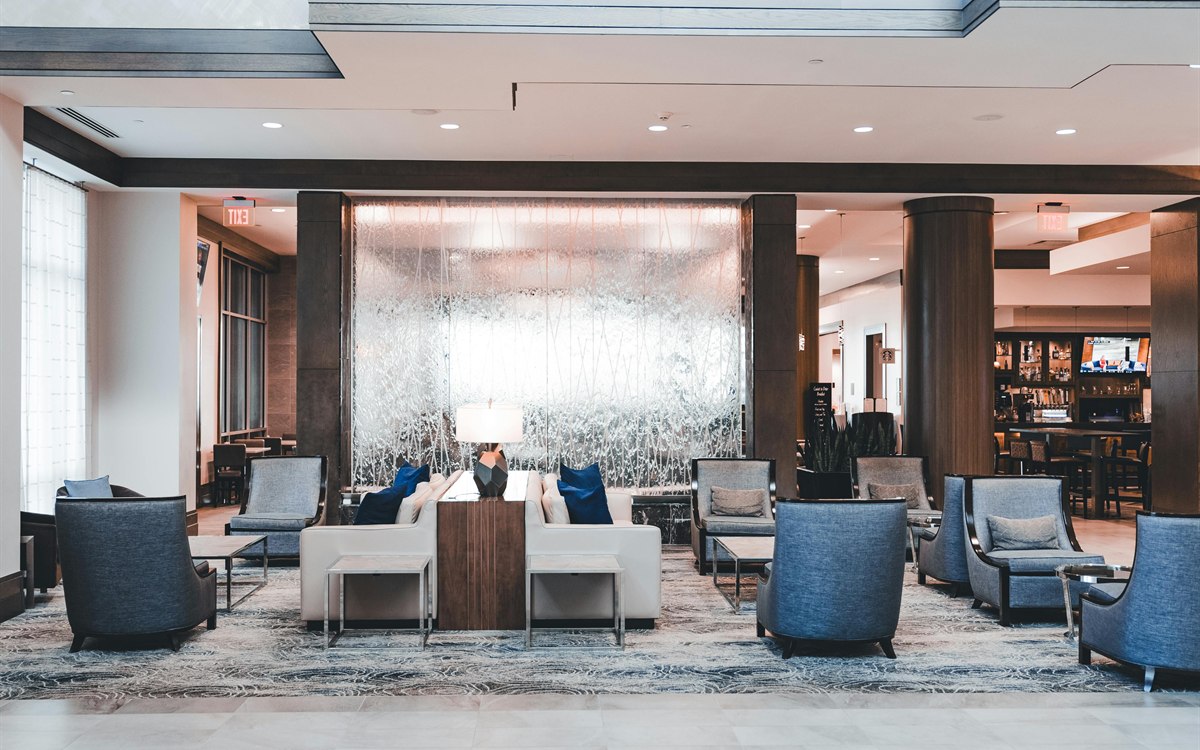
This case focused on the lobby and public area upgrade of an urban boutique hotel. The property was not outdated, but check-in pressure was high during peak hours, guests waited without order, and the lounge area was underused. GFSA reviewed the guest journey through four nodes: arrival, waiting, transition, and rest.
1. Diagnosis
The lobby was designed to feel open, but the front desk, waiting area, and lounge lacked clear boundaries. Guests entering the hotel were immediately exposed to too many sightlines and crossing routes. Such spaces may look transparent, but they can make guests feel unsettled and make service roles unclear.
2. Feng Shui Judgment
- A hotel lobby should welcome energy without letting it scatter.
- Water features, lighting, and seating should support the rhythm of staying, not simply decorate the room.
- The lounge and public meeting area should form soft boundaries so business guests, families, and short-stay visitors can each find an appropriate place.
3. Implementation
The team recommended using low furniture and layered lighting to define the waiting zone, redirecting the front-desk queue away from the entrance, and making the lounge more visible as a comfortable place to pause. Plants, mirror surfaces, and water features were recalibrated according to eye level to avoid chaotic reflections.
4. Management Insight
Hospitality Feng Shui is not about making a lobby more ornate. It is about helping guests know where to go, where to wait, and how they will be served. When spatial order becomes clear, service efficiency, guest emotion, and brand quality improve together.