
Headquarters Workplace and Executive Floor Layout Review
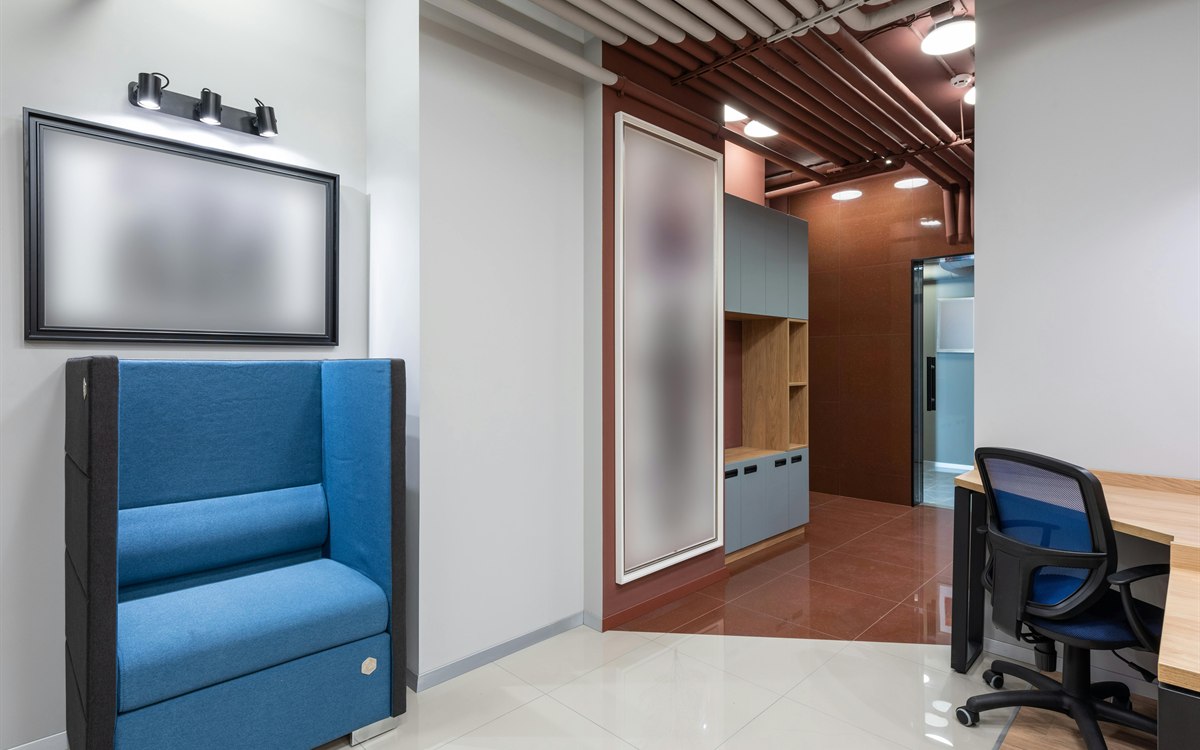
Case Details
This case supported the workplace adjustment of a growing technology company's headquarters. The company had expanded several times, but its seating logic still reflected the early start-up stage. Departments were mixed together, ad hoc meetings were excessive, and senior leaders were frequently interrupted by daily office noise.
1. Existing Conditions
Research and development, sales, operations, and leadership teams shared one large open area. This made short-term communication easy but created long-term information overload. Executive offices had frequent traffic behind them, and meeting rooms were too close to leisure areas, making important discussions vulnerable to interruption.
2. Review Framework
- Divide workplace energy into quiet zones, active zones, decision zones, and support zones.
- Research teams need stable deep work, sales teams need rapid exchange, and leadership needs a clear view with low disturbance.
- Workplace Feng Shui is not only about facing direction; it is about how information flows, how responsibility is positioned, and whether people can work in the right state.
3. Implementation
The plan moved the research area to a quieter side, placed sales and client meeting rooms closer to the external reception route, and reduced back-side traffic behind leadership areas. Meeting rooms were classified for decision meetings, collaboration meetings, and quick stand-ups. A buffer zone was added near the executive floor entrance so visitors, internal reporting, and daily work would not interfere with each other.
4. Transferable Insight
Office planning is often misunderstood as becoming more open when teams grow. Effective workplace Feng Shui allows different functions to operate in different rhythms: quiet where focus is needed, smooth where exchange is needed, and stable where decisions are made. Once spatial order becomes clear, organizational efficiency has a real foundation.